1. What is a labral tear in the shoulder?
A labral tear involves damage to the soft tissue cartilage that lines the rim of the shoulder socket, known as the ‘glenoid’. The labrum plays a critical role in the function of the shoulder, helping to stabilise the shoulder joint, provide cushioning between the upper arm bone (humerus) and the socket, and allowing the shoulder to make smooth movements. A labral tear can sometimes cause significant discomfort for patients, as well as lead to a reduced range of motion, and in some cases, a feeling of instability in the shoulder.
2. What causes a labral tear in the shoulder?
There is no single cause of a labral tear in the shoulder, however a number of different factors can lead to the condition, including:
- Trauma: Injuries such as direct blows, falls, or sudden jerking motions can result in labral tears. In the case of traumatic injuries, it is the impact or force placed on the shoulder that can cause the labrum to tear or detach.
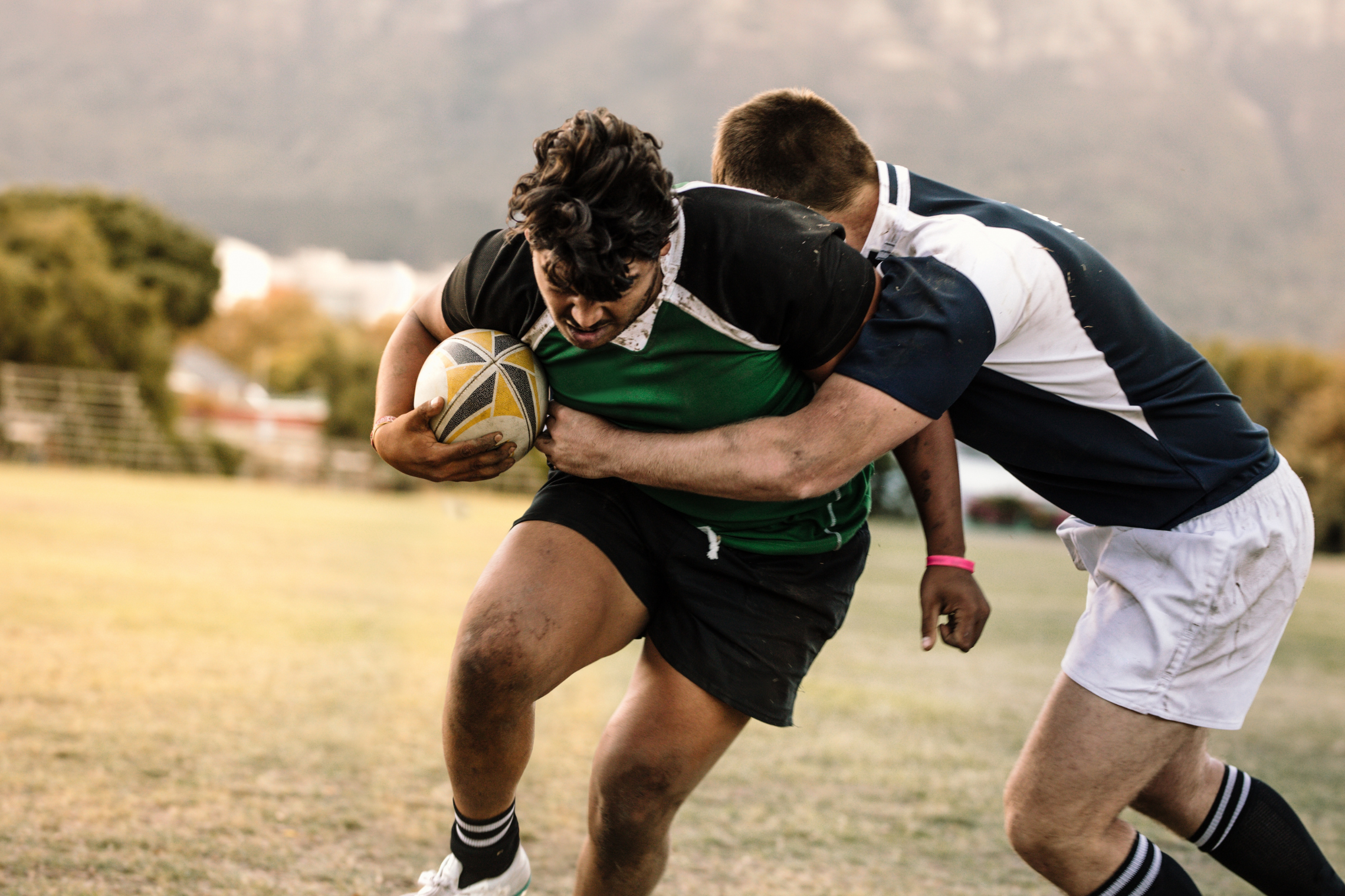
- Repetitive movements: Any activities that involve repeated overhead movements can wear down the labrum over time. Some of the most common activities include throwing, swimming, or weightlifting. These movements cause repetitive stress that can weaken the cartilage and make it increasingly vulnerable to tears.
- Shoulder instability: Patients with existing shoulder instability as result of past injuries or conditions like shoulder dislocations tend to have an elevated risk of labral tears. Patients with instability in the shoulder often have abnormal or irregular movements in the shoulder joint, which can wear down the cartilage leading to labral damage.
- Age and Degeneration: Wear and tear that comes with age can over time cause the labrum to naturally degenerate. The degeneration of the cartilage can make the labrum more susceptible to tearing, even with minor stresses.
3. How serious is a labral tear in the shoulder?
The severity of a labral tear varies depending on factors such as the size, location, and type of tear. For example, individuals with small tears often report experiencing minor symptoms and pain. On the other end of the spectrum, those with more serious tears typically report significant pain, as well as limited shoulder mobility, and sometimes episodes of shoulder instability.
A labral tear that is causing shoulder instability is particularly concerning, as it may lead to recurrent dislocations or subluxations (partial dislocations).
If you are experiencing any of the symptoms associated with a labral tear, consulting with a dedicated shoulder surgeon like Dr. Sushil Pant is crucial for accurately assessing the severity of the tear and determining the appropriate course of action.
4. How to treat a labral tear?
The treatment approach for a labral tear depends on factors such as the tear’s size, location, the patient’s age, activity level, and overall health. Treatment options include:
- Non-surgical measures: For minor labral tears that are not affecting shoulder function, conservative treatments may be effective. Rest, activity modification, physical therapy, and anti-inflammatory medications are often helpful in managing pain, reducing inflammation, and strengthening the surrounding muscles to provide better support to the shoulder joint.
- Surgical intervention: In the case of larger tears which are causing more persistent pain or instability, or tears that do not respond to conservative treatments, surgery is often required. Shoulder arthroscopy is a common and minimally invasive technique used to repair or remove the torn portion of the labrum. During this procedure, the labrum is reattached to its original position using sutures or anchors. The aim of the surgery is to restore stability to the shoulder joint and alleviate symptoms.
5. Do labral tears in the shoulder heal without surgery
Whether a shoulder labral tear heals without surgery depends on several factors, but mostly is determined by the severity of the tear and the patient’s overall health. Smaller tears that are not causing significant pain or instability sometimes have the potential to heal with conservative treatments such as rest, physical therapy, and activity modification. These treatments aim to reduce inflammation, strengthen supporting muscles, and improve overall shoulder mechanics.
On the other hand, larger tears or tears causing ongoing symptoms often won’t heal on their own. For these tears, surgery is often necessary to repair the shoulder and provide effective pain relief.
Get in touch
If you are suffering from any of the symptoms associated with a labral tear and have questions about your condition or treatment options complete our online enquiry form and Dr. Sushil Pant will happily discuss this with you.